For my latest post, I’m going to talk a little bit about, well, this blog! Specifically, I’d like to share my recent project to convert it from a dynamic, WordPress-based application hosted on a traditional web server to a collection of (mostly) static pages living in…[insert magical hand wave here]…The Cloud.
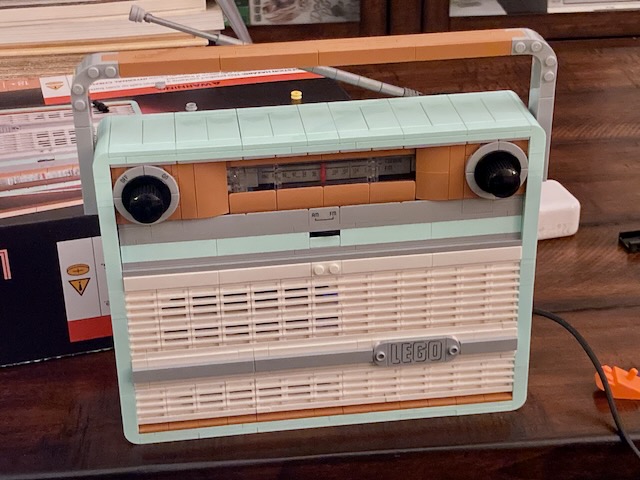
I think I can say with near-absolute confidence that I get just as much joy out of building Lego now as I did decades ago. My latest project was the Lego Icons Retro Radio (Item #10334). This model has a clever feature that lets you pop a phone inside to mimic a real device. But what if, instead of using my phone, I could put some dedicated electronics inside to create my very own wireless speaker?
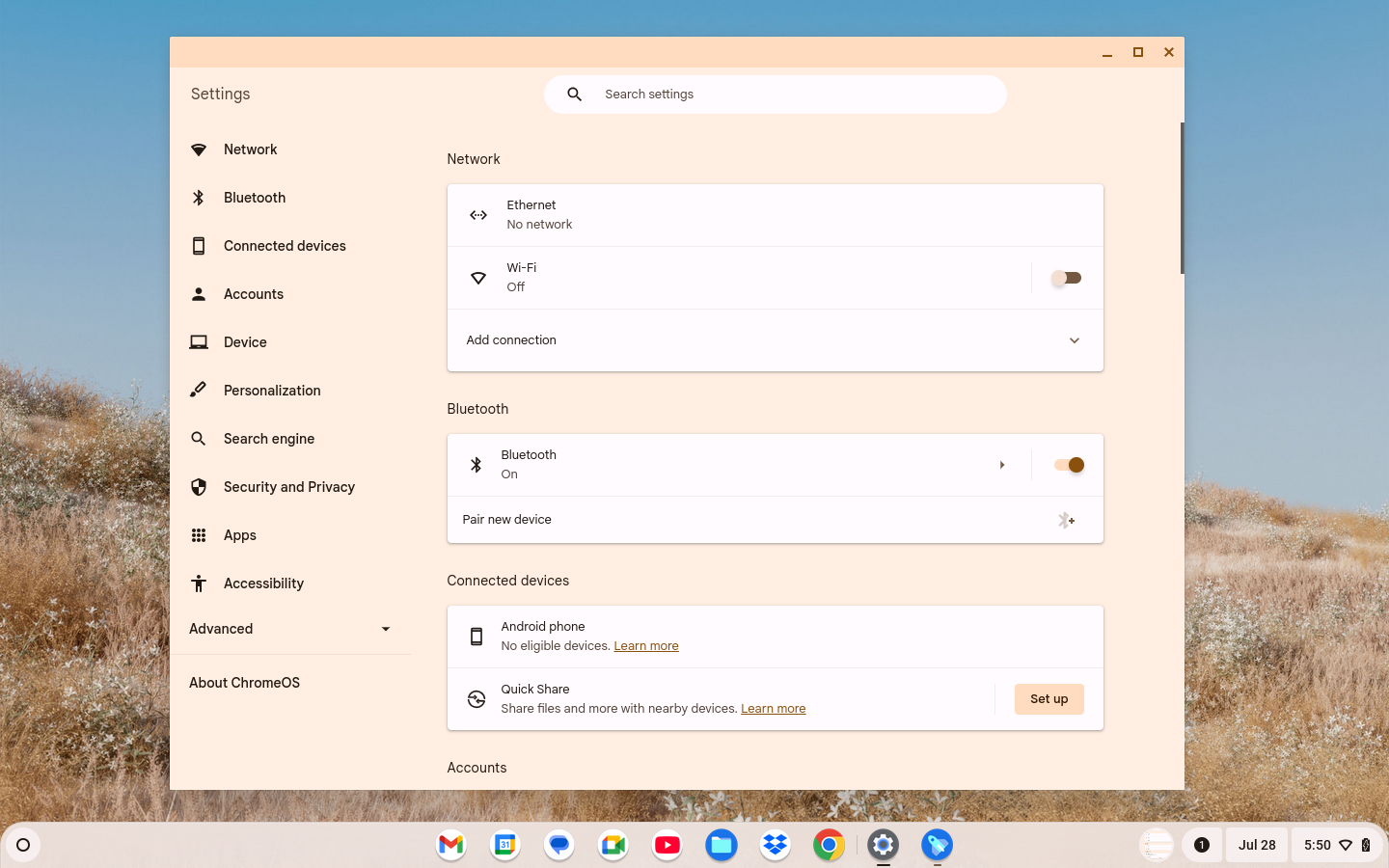
When the computing needs of an older relative of ours recently outgrew an aging Android tablet, my fiancée and I turned to a brand new, easy-to-support Chromebook.
But if anything went wrong, how would we be able to help without a Chromebook of our own to follow along on? If only I could figure out how to successfully boot ChromeOS on a 14-year-old MacBook Pro with an incompatible video card…
For good reasons, the New York Times does not openly publish the total possible points for its daily Spelling Bee puzzle. But when my partner and I play the game, we like to figure it out anyway and then see how close we can get. This is a well-defined task with well-defined inputs, so I decided to find a way to calculate and display the “Queen Bee” threshold automatically.
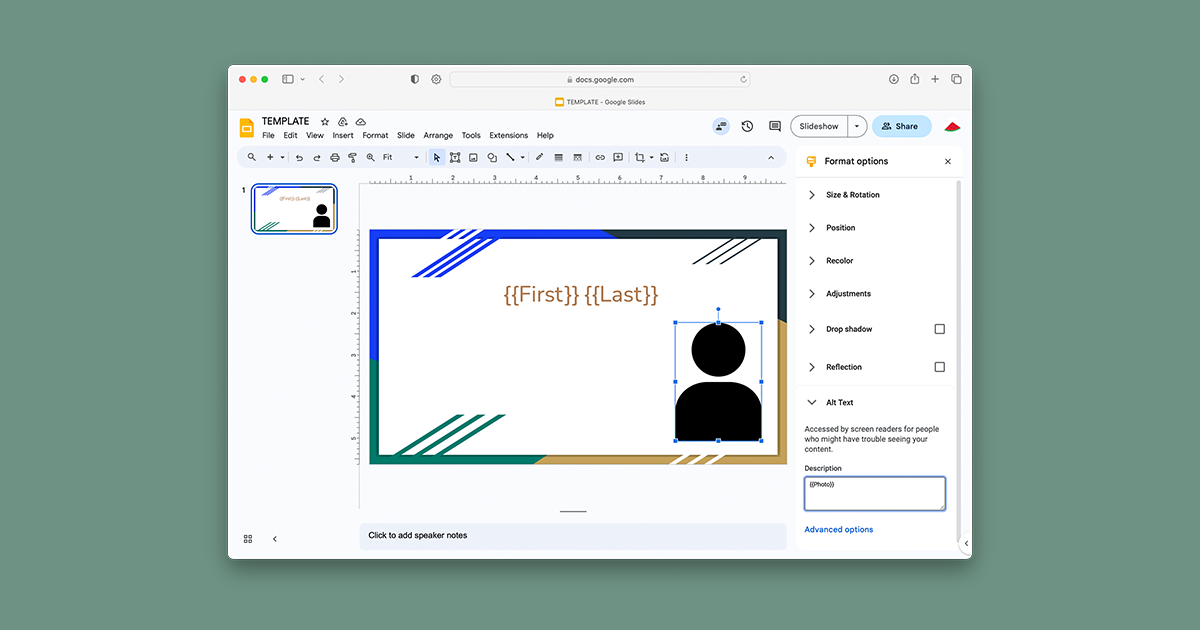
I recently detailed a technique for auto-generating a slideshow in Adobe InDesign using data from a spreadsheet. (This is great for awards ceremonies!) But wouldn’t it be cool if there were a way to do this completely within the “free” Google ecosystem? By using a tool called Google Apps Script, I determined that you can, in fact, accomplish the same thing with Google Sheets and Google Slides.
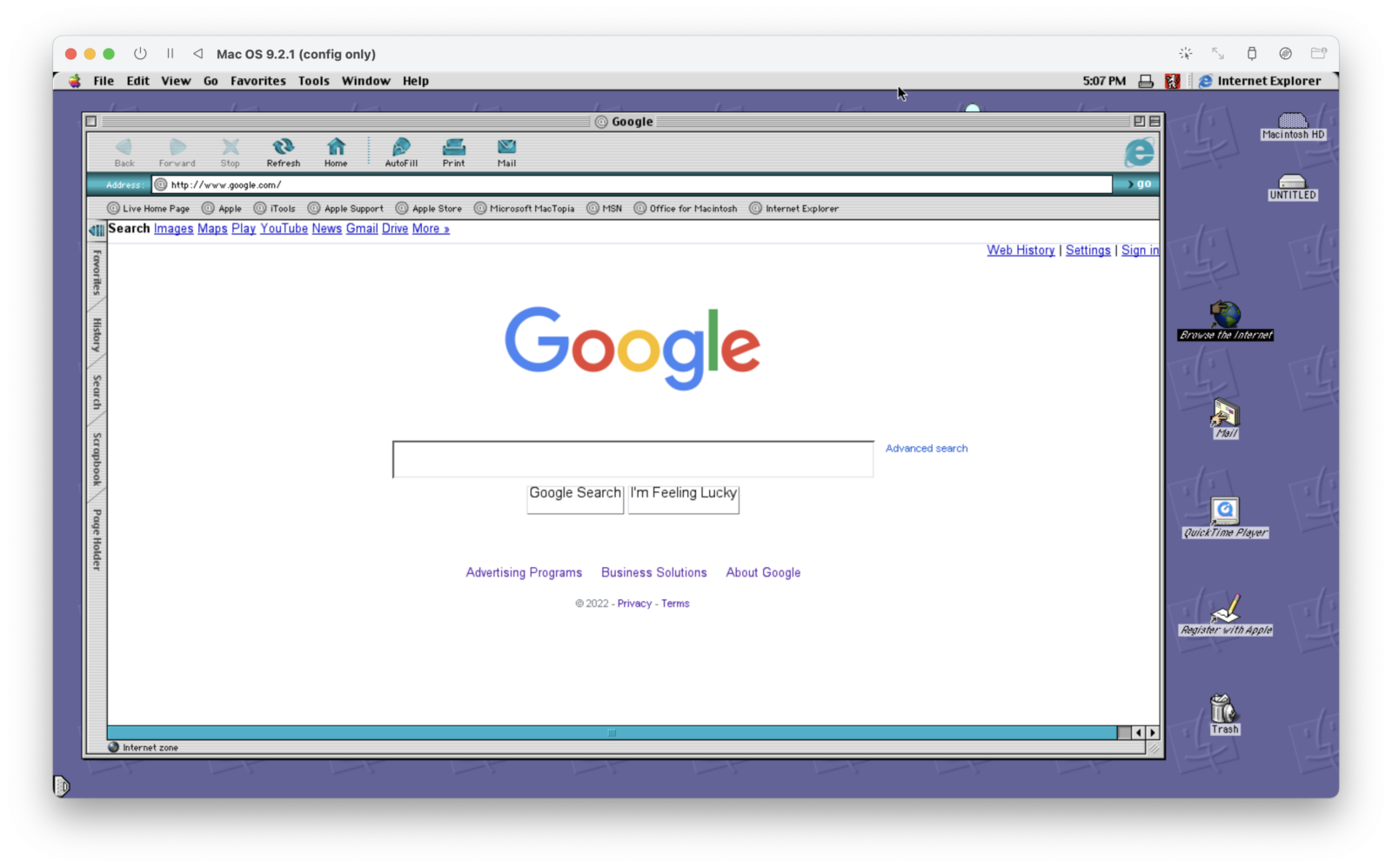
After successfully booting MS-DOS inside an emulator on my M1-powered MacBook Pro, I decided to try out another ancient operating system: MacOS 9.
In this post, I explore what it takes to get it running and what it’s like to browse today’s World Wide Web using a 20-year-old operating system.
My very first blog post when I set up this website in July of 2019 was about buying a brand…
Because we’re nerds, my fiancée and I like to keep track of our score every time we play Spirit Island, a fun but complicated cooperative strategy game. Calculating the score requires looking up a difficulty rating in a table, a fair bit of counting, and some math.
While none of that is especially hard to do, the process could go a bit quicker if most of the work (aside from the counting) could be done automatically.
As it turns out, this is a great job for Apple’s Shortcuts app!
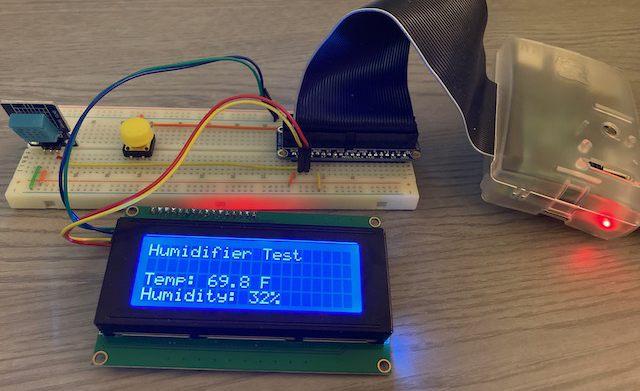
After the pandemic canceled our Winter Break travel plans for the second year in a row, this meant that my fiancée and I would have a lot more time on our hands than expected.
That, combined with some exceptionally dry knuckles, was just the excuse I needed to try my hand at a new electronics project. My goal was to answer the following question: How dry, actually, was the air in our apartment?
While I have had a definite fondness for (and occasional obsession with) computer programming since at least 6th grade, I’ve mostly gravitated more recently towards web development.
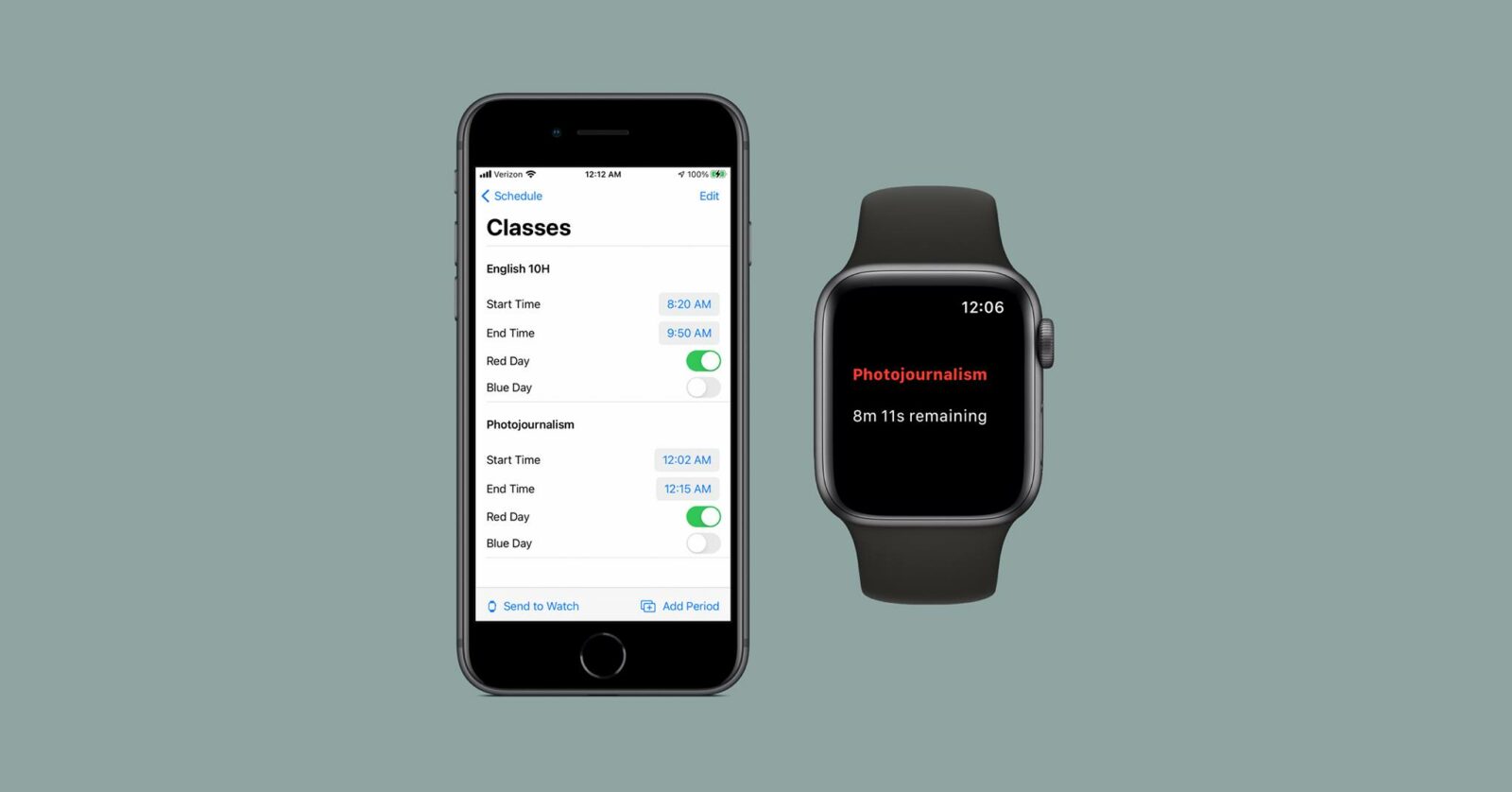
So for my final project of the summer, I decided to give actual app development one more chance by exploring the world of Swift and SwiftUI, two of Apple’s latest programming technologies.
The goal: build a watch app to help me track how much time is left in class!